
Posts by Design Solutions and Integration
One Welding Crew, Three Industries: How DSI’s Combo Welders Cover Oil, Gas, and Rail
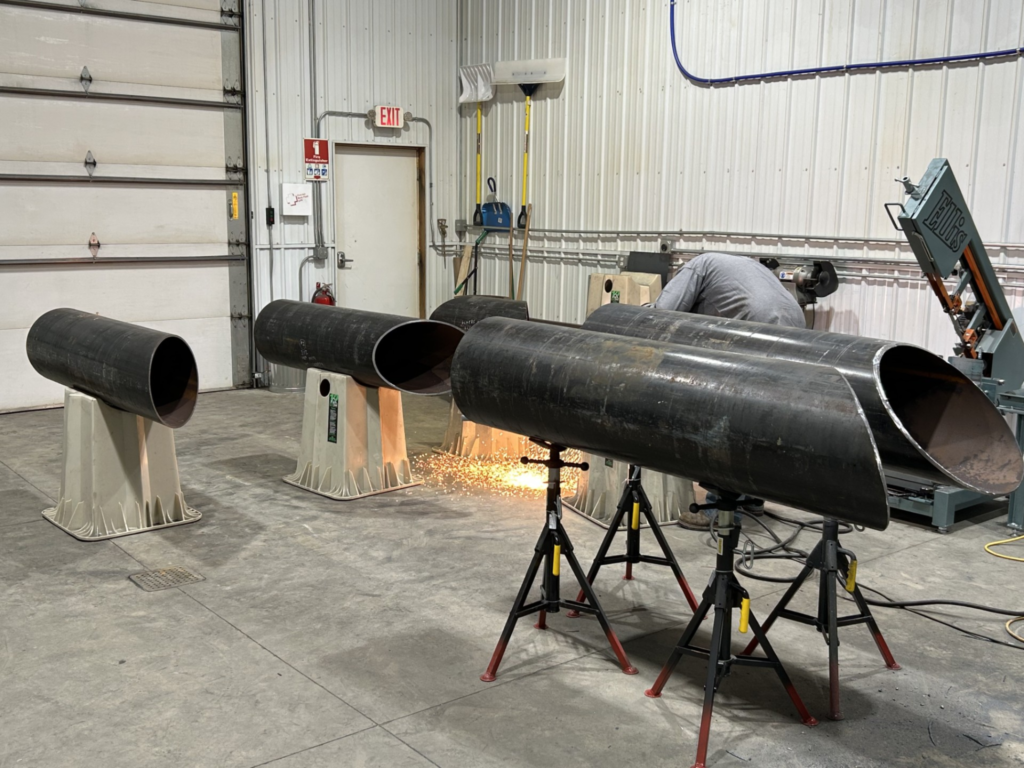
Most welding crews are certified for one code, one industry, or one type of repair. DSI’s field welders are combo-certified, meaning the same crew that repairs a pressure vessel on an oil lease can move to a rail car or a gas gathering line without swapping personnel or waiting on a different certification to mobilize.…
Read MoreWhat Is an E House and When Does It Make Sense in Oil & Gas Operations?
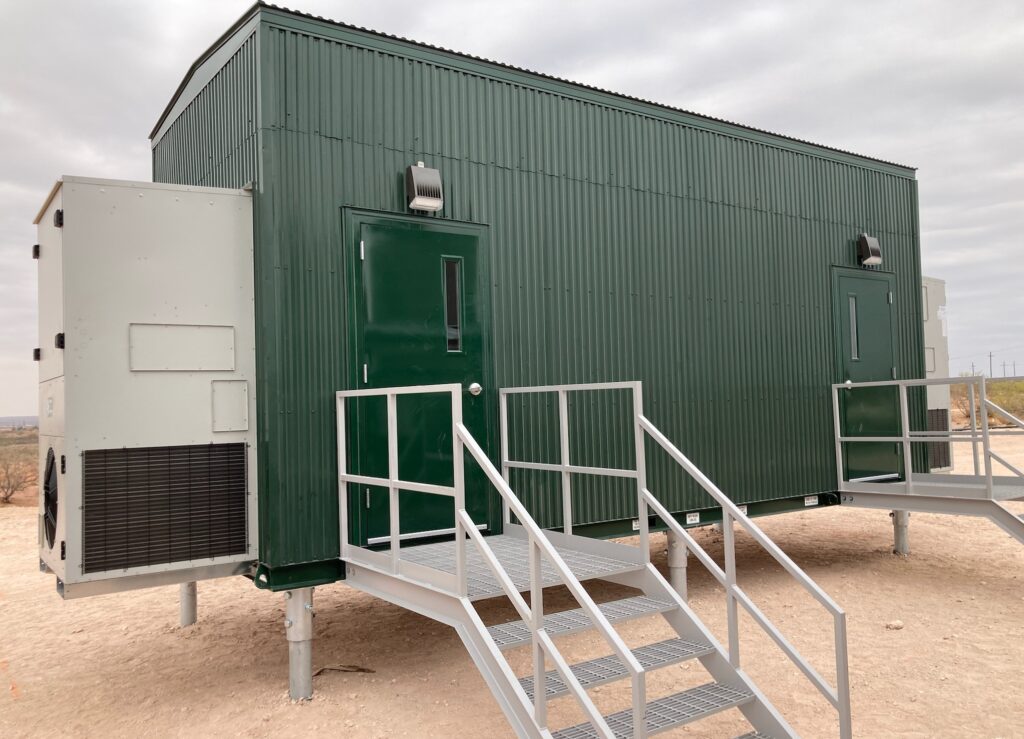
An E-house in oil and gas can solve a problem many teams deal with every day. Equipment needs protection, but outdoor-rated gear is expensive. At the same time, reliability and safety cannot be compromised. Chris Rice, Fabrication Division Manager at Design Solutions & Integration, works with these challenges every day. His team builds fabricated systems…
Read MoreWhat Actually Makes a Control Panel Safe in Hazardous Oil and Gas Environments
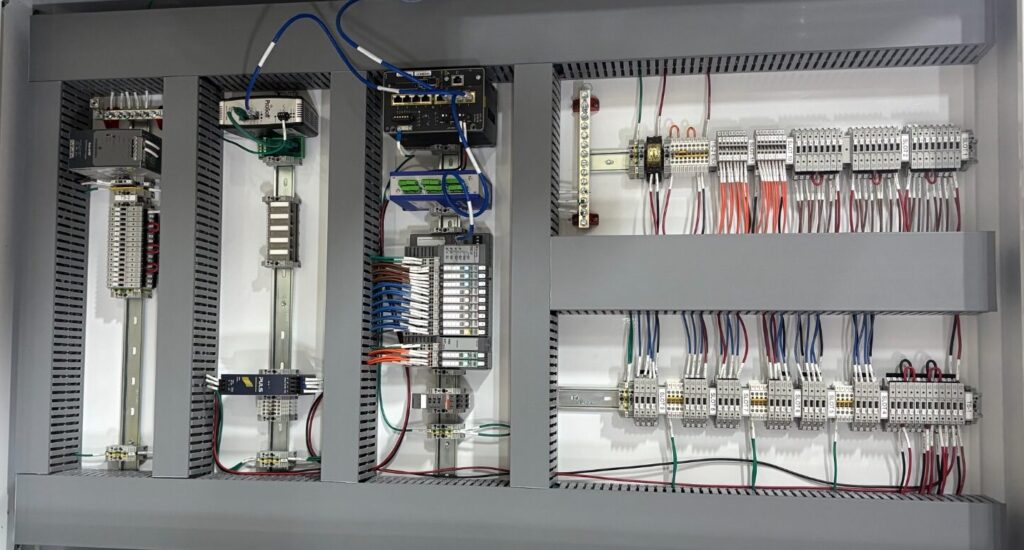
Hazardous location control panel design is critical for oil and gas operations. When equipment sits near flammable gases, the margin for error disappears. A small component failure or installation mistake can lead to major safety risks, costly downtime, or compliance issues. That is why hazardous location panels require more than standard assembly practices. They require…
Read MoreHow UL 698A Changes the Way a Control Panel Is Designed and Built in Oil and Gas
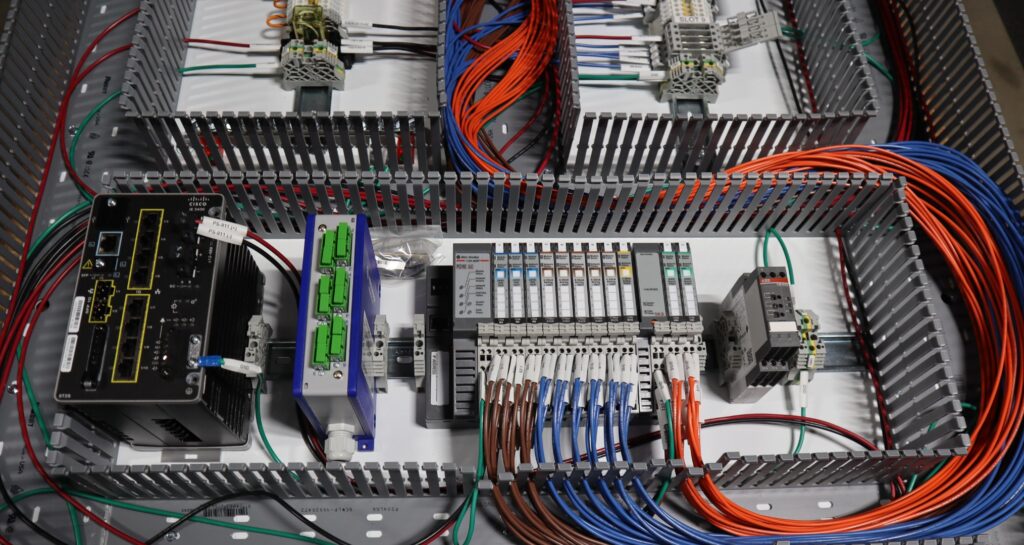
UL 698A design requirements for control panels change how panels are designed and built in oil and gas facilities. If you manage operations in a gas plant or production site, you deal with risk every day. Some sites may contain flammable gases. Even when gas is not always present, it can appear without warning. That…
Read MoreWhy Blueprint-Driven Fabrication Prevents Inconsistent Oilfield Builds
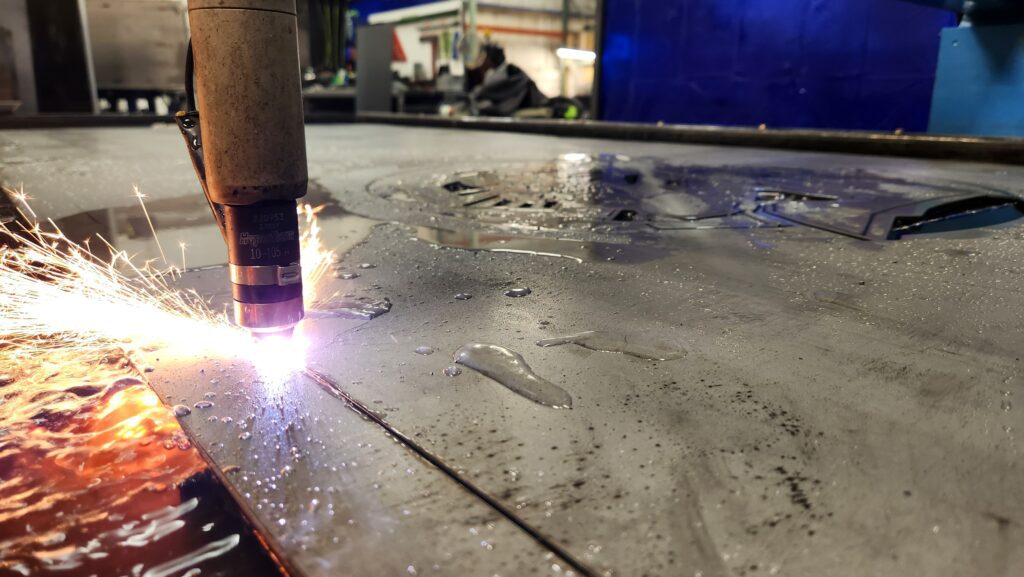
Standardized fabrication drawings are the foundation of consistent oilfield builds. In oil and gas projects, small differences in fabrication can create major installation delays and quality issues. A weld placed slightly wrong can affect fit-up. Over time, those small issues add up. Chris Rice, Fabrication Division Manager at Design Solutions & Integration, has seen both…
Read MoreThe Hidden Cost of Inconsistent Fabrication Across Multi-Well Projects
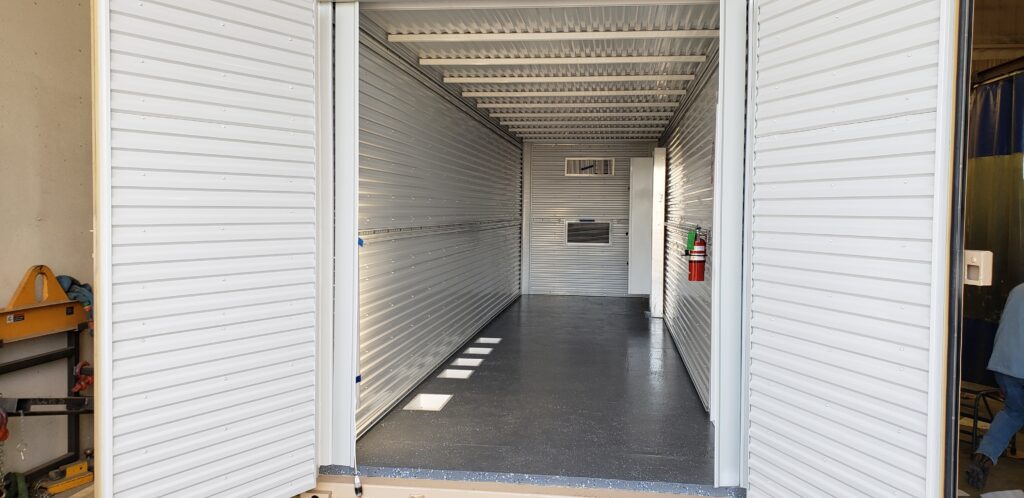
Standardized fabrication in oil and gas is often overlooked. Yet it shapes cost, speed, and safety on every multi-well project. Many operations teams feel the pain of rework, delays, and mismatched parts. These problems rarely come from bad effort. They come from inconsistency. When each site is built a little differently, small issues add up…
Read MoreThe Integration Risk That Builds for Months Before an Automation Failure Shows Up
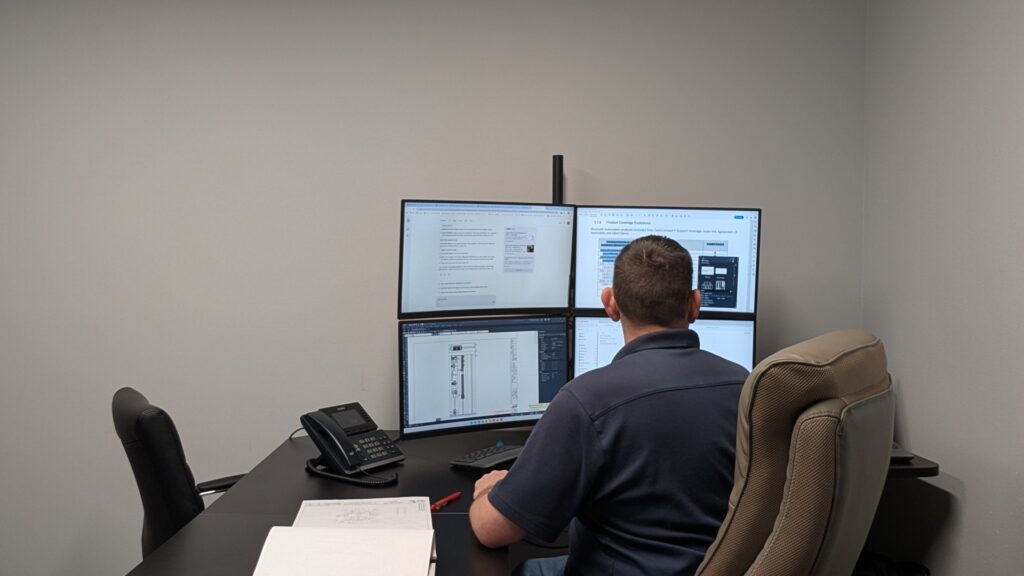
Automation system integration risk often shows up long before a system fails. By the time something breaks visibly, the risk has usually been building for months — in workarounds, mismatched components, and undocumented fixes that quietly pile up. None of it trips an alarm on its own. All of it adds up. David Thompson, Automation…
Read MoreWhy Paper-Based Safety Breaks Down as Crews and Jobs Grow
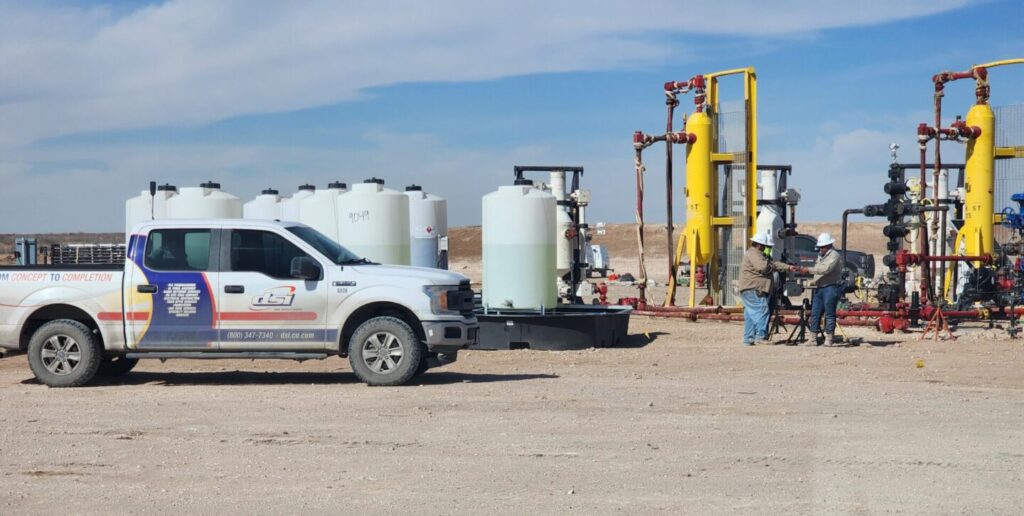
Paper-based safety processes work fine at first. One crew. One site. A small stack of forms. But as crews and jobs grow, paper-based safety breakdowns start to appear. Forms go missing. Records become hard to track. Inspections take longer than they should. Sebastian Licona, Safety Coordinator at Design Solutions and Integration, saw this firsthand. He…
Read MoreWhy the Automation Skills Gap in Oil and Gas Isn’t About Age
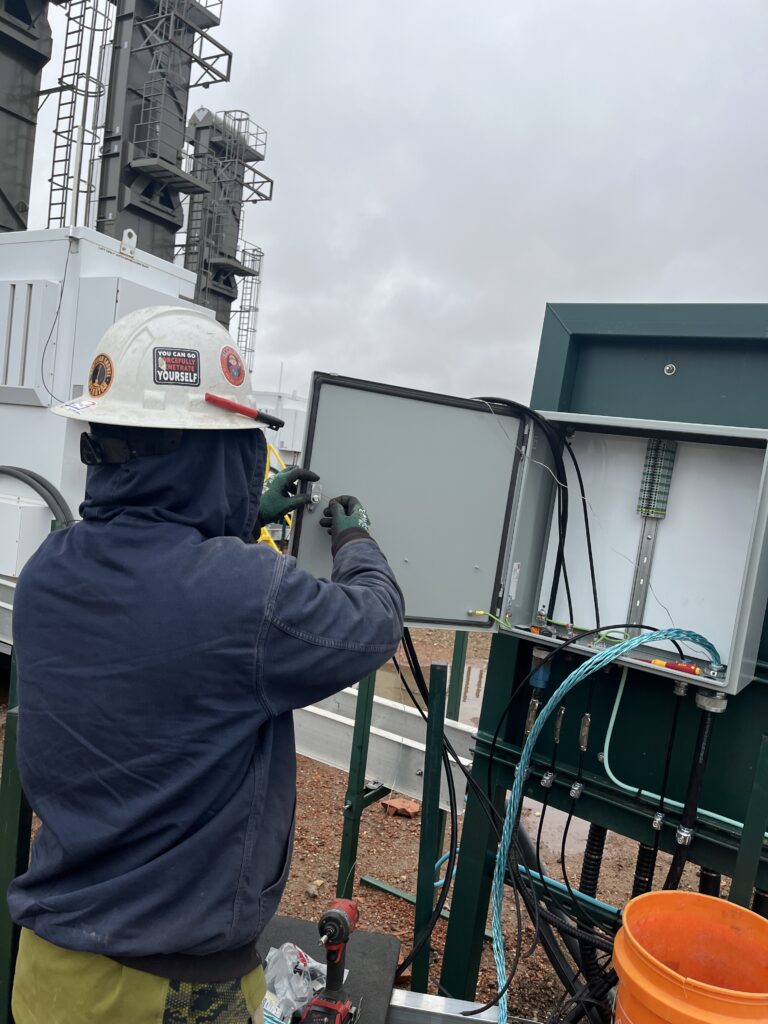
It’s tempting to explain the automation experience gap in oil and gas as a generational problem: younger techs grew up on screens, older techs didn’t. DSI’s field experience says that’s the wrong split. The real divide is exposure. A 24-year-old who’s only ever worked relay logic has the same gap as a 55-year-old who’s never…
Read MoreThree Things Modern Process Automation Should Deliver for an Oil and Gas Operator
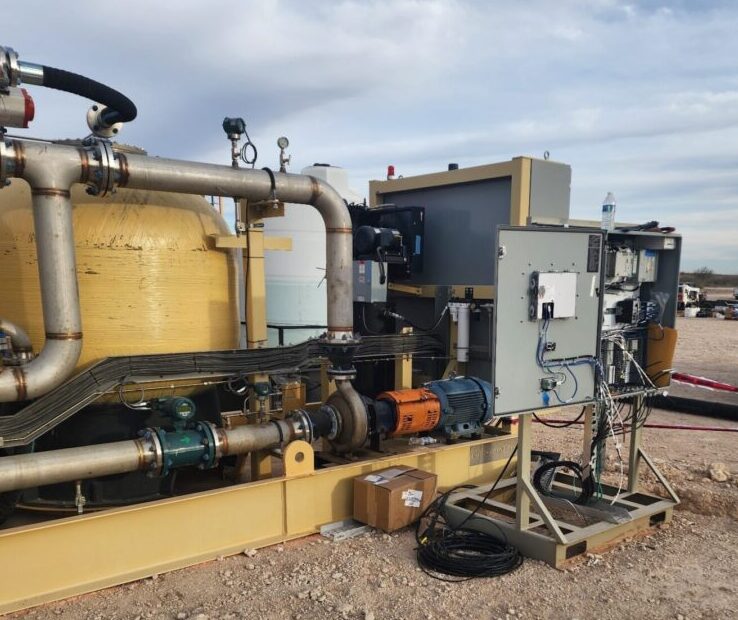
Ask five operators what they want from process automation and most will say the same three things: they want to see what’s happening across their sites, they want it to keep working without a tech on standby, and they want it to handle the next well pad without a redesign. That combination, visibility, reliability, and…
Read More